Staircase Access Issues on Edgware Road: Moving Solutions
Moving on Edgware Road can look straightforward on a map, but staircases have a way of turning a simple move into a proper logistical puzzle. Narrow communal stairs, awkward bends, split-level flats, heavy furniture, and tight time windows can all collide at once. If you are dealing with staircase access issues on Edgware Road, the right moving approach makes all the difference.
In this guide, we will look at what these access challenges usually involve, why they matter so much, and how practical moving solutions can reduce stress, damage, delays, and expensive mistakes. You will also find step-by-step advice, a comparison of different moving methods, a realistic example, and a checklist you can use before moving day. Let's face it: stairs are rarely the glamorous part of a move, but they are often the bit that decides whether the day runs smoothly or not.
Table of Contents
- Why Staircase Access Issues on Edgware Road: Moving Solutions Matters
- How Staircase Access Issues on Edgware Road: Moving Solutions Works
- Key Benefits and Practical Advantages
- Who This Is For and When It Makes Sense
- Step-by-Step Guidance
- Expert Tips for Better Results
- Common Mistakes to Avoid
- Tools, Resources and Recommendations
- Law, Compliance, Standards, or Best Practice
- Options, Methods, or Comparison Table
- Case Study or Real-World Example
- Practical Checklist
- Conclusion
- Frequently Asked Questions
Why Staircase Access Issues on Edgware Road: Moving Solutions Matters
Staircase access affects almost every part of a move: labour time, carrying safety, packing decisions, vehicle choice, parking, and the chance of damage to the property or the items themselves. On Edgware Road, where housing types can vary from mansion blocks and period conversions to modern apartments, access can change from one address to the next. That is what makes planning so important.
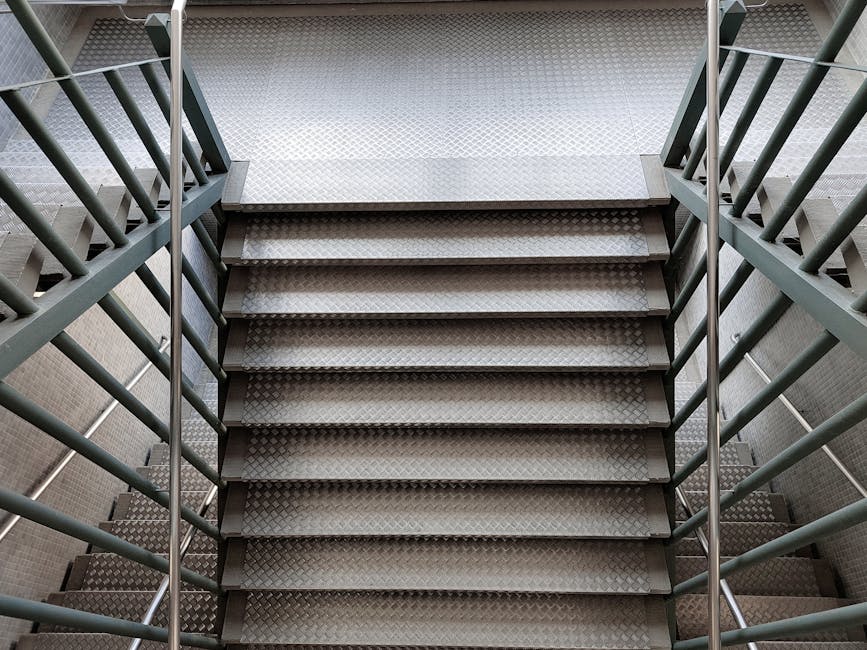
When stairs are steep, narrow, turning, or shared, moving standard furniture becomes slower and riskier. A wardrobe might fit through the front door but still fail at the landing. A sofa may need to be carried upright, angled, or partially dismantled. One wrong assumption, and suddenly a routine move becomes a waiting game on a staircase. Not ideal. Not at all.
It also matters because poor access planning often creates hidden costs. More manual handling can mean more time on site. More time can mean a larger crew requirement, extra vehicle time, or a second visit. If a move is rushed, the risk of chipped walls, scuffed banisters, and strained backs rises quickly. That is why staircase access planning is not an optional extra; it is part of the move itself.
If you are arranging a home or flat relocation, a wider moving service such as removals or flat removals may be a better fit than a quick guess based on van size alone. The same principle applies to family homes, student moves, and smaller same-building relocations.
How Staircase Access Issues on Edgware Road: Moving Solutions Works
The best staircase access solution begins before move day, usually with a short review of the property details. A mover will want to know how many flights there are, whether the stairs are internal or external, if there is a lift, whether parking is nearby, and what the largest items are. This sounds basic, but it is the kind of detail that saves a lot of hassle later.
In practice, the process usually follows a pattern:
- Access review - measure stair width, landings, ceiling height, and turns.
- Item check - identify bulky furniture, awkward shapes, and fragile pieces.
- Route planning - decide whether items can be carried normally, dismantled, or moved with specialist lifting aids.
- Protection planning - prepare blankets, wraps, corner guards, and floor protection where needed.
- Team allocation - choose the right number of movers so lifting stays controlled and safe.
- Loading strategy - organise items in the van so the order of unloading reflects the stair route at destination.
For some moves, the answer is simple: take things apart, carry carefully, and go steady. For others, especially larger house moves or office relocations, access planning may also involve a larger vehicle, extra labour, or a different loading sequence. In that situation, services like home moves and office removals are often more suitable than a one-off ad hoc arrangement.
A proper staircase-access plan also considers the human side of the move. You do not want three people squeezing around a narrow landing while someone is trying to keep a fridge upright and someone else is opening a door behind them. It gets messy quickly. Clear communication and a tidy route matter almost as much as muscle.
Key Benefits and Practical Advantages
There is a real difference between "we will probably manage" and "we know exactly how this staircase will be handled." When access is properly planned, the whole move feels calmer and more controlled.
- Lower damage risk - careful route planning helps protect walls, bannisters, door frames, and item surfaces.
- Better time control - movers spend less time improvising and more time executing the plan.
- Safer handling - fewer awkward lifts reduce the chance of strain or slips.
- Cleaner logistics - the right vehicle and team size are chosen for the actual property conditions.
- Less stress on moving day - you are not trying to solve access problems while the clock is ticking.
There is another benefit people sometimes overlook: confidence. When you know the stairs have been checked, the furniture has been assessed, and the route has been thought through, you make better decisions. You pack differently, label more clearly, and avoid last-minute panic. That alone is worth a lot.
For fragile or oversized items, specialist handling can be especially valuable. If your move includes a piano, for example, you may need a service designed for careful lifting and protection rather than standard carrying alone. In those cases, piano removals can be a sensible way to reduce risk.
Who This Is For and When It Makes Sense
This kind of moving solution makes sense for anyone dealing with awkward stair access, but it is especially useful for:
- people moving into or out of flats on upper floors
- students with furniture to move in older buildings
- families in converted properties with narrow internal stairs
- office teams relocating from buildings with restricted access
- anyone with bulky items like beds, wardrobes, desks, or white goods
- landlords and tenants arranging end-of-tenancy moves under time pressure
It is also a good option if you are not sure whether your staircase is "too tight." To be fair, many people underestimate how much difference one sharp turn or low ceiling beam can make. A sofa that looks manageable from the hallway can become a completely different story once it reaches the stairs.
If your move is smaller but still tricky, a flexible service such as man and van or man with a van may be enough. If the job is larger or includes multiple rooms, a broader removal services approach is often more efficient.
Step-by-Step Guidance
If you want staircase access issues handled properly, a little preparation goes a long way. Here is a practical sequence that works in real life, not just on paper.
- Walk the route in advance. Start at the front door and check every turning point, handrail, and landing.
- Measure the awkward stuff. Focus on your widest item, not your smallest. Sofas, mattresses, wardrobes, and desks usually cause the headaches.
- Identify items that can be dismantled. Removing legs, shelves, drawers, or headboards can make a huge difference.
- Decide what needs extra protection. Blankets, stretch wrap, and corner protection are useful when tight stairwells are involved.
- Confirm parking and unloading space. A short walk from the van is manageable; a long carry with stairs is another matter.
- Label rooms and priority items. This saves time when belongings have to be carried in a particular order.
- Keep essential walkways clear. Shoes, bins, coats, and boxes left on landings are the classic trip hazards.
- Allow extra time. Staircase access nearly always slows a move down a bit. That is normal.
A simple example: if you are moving out of a two-bedroom flat and the bed frame has to come down a tight central staircase, you may be better off dismantling it the night before rather than trying to force it through on the day. It is one of those small decisions that saves everyone a headache.
If you are also dealing with packing, it may be worth exploring packing and boxes or packing and unpacking services so the move is not only safer but also easier to coordinate.
Expert Tips for Better Results
These are the kinds of details that tend to separate a manageable move from a messy one.
- Measure with the route in mind, not just the item. The tightest point is often the landing turn, not the staircase width itself.
- Take photos of problem areas. A quick phone photo of a narrow stairwell, split-level hallway, or low ceiling can help everyone plan better.
- Pack lighter boxes than you think you need. Heavy boxes and stairs are a bad combination. Your back will thank you later.
- Keep furniture hardware in labelled bags. If something comes apart, you do not want to be hunting for bolts while the mover waits.
- Reserve the clearest route for the biggest item. It sounds obvious, but little things often get left in the way.
- Use two people for longer or tighter carries. Sometimes one extra pair of hands makes the difference between "awkward" and "fine."
One practical observation from real moves: the stairwell is rarely the only challenge. Doors that open the wrong way, street-level thresholds, and narrow communal entrances can be just as awkward. So check the whole route, not just the stairs. Easy to miss, that one.
If you are moving on a tight schedule, a service such as same day removals may help, but it works best when the access details are already clear. Same-day and staircase problems do not always mix well unless the planning is spot on.
Common Mistakes to Avoid
Most staircase access problems are not caused by bad luck. They are caused by assumptions. Here are the most common ones.
- Assuming the furniture will "just fit." Measure properly, especially after removing legs or packaging.
- Ignoring landings and turns. A staircase can look fine until the item has to rotate halfway up.
- Using boxes that are too heavy. Heavy boxes on stairs are tiring and risky.
- Forgetting communal access rules. Some buildings have quiet hours, lift booking rules, or limited loading windows.
- Underestimating the time needed. Stairs always slow things down a little, sometimes more than you expect.
- Not checking insurance and safety arrangements. If something does go wrong, you want to know how the move is covered.
Another mistake is leaving the access conversation too late. By the time the van arrives and the first item reaches the hallway, there is no elegant way to "sort it out quickly." At that point you are reacting, not planning. And planning is the whole game.
For larger or more complex jobs, it is worth comparing whether a standard removal van is enough, or whether a larger vehicle such as a moving truck or even a removal truck hire setup would give you better loading flexibility.
Tools, Resources and Recommendations
You do not need a van full of specialist kit for every staircase move, but the right tools help a lot. In ordinary residential settings, movers often rely on:
- removal blankets and wrapping materials
- stretch film for protecting surfaces
- corner protectors for tight stairways
- straps or lifting aids for bulky pieces
- packing tape and labels
- slip-resistant gloves and sturdy footwear
For the homeowner or tenant, a few simple resources make the biggest difference:
- a tape measure
- phone photos of the staircase and landings
- a room-by-room inventory
- a packing plan for dismantled items and fixings
- a clear idea of what needs to go first, last, or separately
If you are a little overwhelmed, start small. Measure the largest item, then measure the staircase at its tightest point. That one comparison can answer a surprising number of questions. If the move is especially furniture-heavy, furniture removals or even furniture pick up may be the more efficient path.
Law, Compliance, Standards, or Best Practice
For staircase moves, the biggest compliance concerns are usually safety, manual handling, and building access rather than anything highly technical. In UK moving practice, the expectation is that work is carried out carefully, with attention to reducing risk to people and property.
That means movers should think about:
- manual handling - avoiding lifts that are too heavy, too awkward, or too rushed
- trip and slip hazards - especially on landings, stairs, and communal entrances
- property protection - protecting walls, floors, and bannisters where practical
- clear communication - so everyone understands the route, the order, and the stopping points
- insurance and safety arrangements - knowing what is covered before the move starts
Good providers also tend to have clear terms, pricing expectations, and a sensible complaints process. Those may not sound exciting, but they matter when you want transparency. It is reassuring to know the basics are in place, especially when the job involves tricky stairs and narrow rooms. For a broader picture of how a provider approaches care and risk, pages like health and safety policy and insurance and safety are worth reviewing.
And if you are comparing providers, it helps to check practical details rather than only price. See whether the company explains how access issues are handled, how quotes are calculated, and whether their pricing and quotes information is clear and easy to understand.
Options, Methods, or Comparison Table
There is no single best method for every staircase. The right option depends on the building, the furniture, the schedule, and your level of tolerance for stress. Here is a simple comparison.
| Option | Best for | Strengths | Limitations |
|---|---|---|---|
| Standard man and van | Smaller moves with manageable stairs | Flexible, practical, usually cost-efficient | Less ideal for oversized items or many flights |
| Full removal service | Flats, family homes, or multi-room moves | Better planning, more manpower, more support | May be more than you need for a tiny load |
| Furniture dismantling and reassembly | Bulky beds, wardrobes, desks, and tables | Improves stair clearance and reduces damage risk | Takes extra time and organisation |
| Specialist item handling | Pianos, antiques, and awkward heavy items | Tailored handling, greater care | Usually not necessary for standard household items |
In simple terms: if the stairs are tight but the load is modest, a man with van setup may be enough. If the move is larger or the building access is difficult from start to finish, a broader removals arrangement tends to be the smarter choice.
Case Study or Real-World Example
Picture a typical Edgware Road flat move. A tenant is leaving a second-floor apartment in a period conversion. The staircase is narrow, the landing is tight, and the sofa is one of those reassuringly solid models that look stylish until you try to move them. The bed frame comes apart fine, but the wardrobe is the issue. Not huge, but awkward. Very awkward.
Instead of forcing the route and hoping for the best, the mover checks the access first thing. The wardrobe doors are removed, the shelves are packed separately, and the item is carried in two stages with a small pause on the landing. The corridor is kept clear, the walls are padded, and the order of loading is planned so the furniture that needs to come out first is unloaded last at the new place. Nothing dramatic happens. Which, in removals, is usually a good sign.
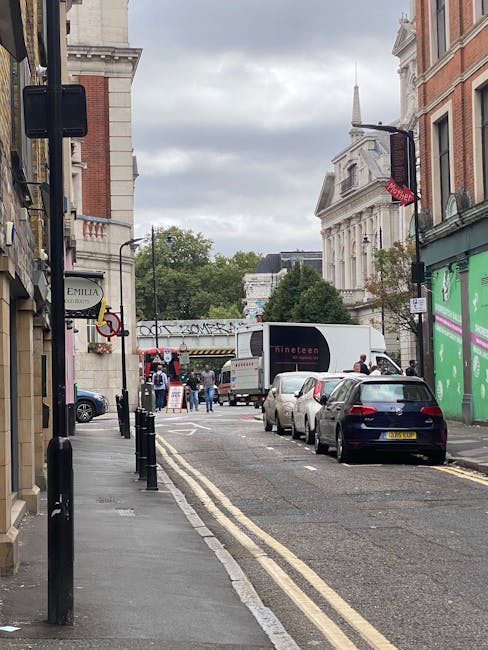
What made the move work was not brute force. It was preparation. A modest amount of planning saved time, avoided damage, and kept the mood calm. That sounds simple, but on a busy London street with buses humming past and limited parking, simple is exactly what you want.
For the tenant, the move felt less like a scramble and more like a process. And that is often the real goal with staircase access problems: not to make them disappear, but to manage them so well they barely get a chance to cause trouble.
Practical Checklist
Use this checklist before move day if staircase access could be an issue.
- Measure the staircase width at its narrowest point.
- Check the height and shape of the tightest turns.
- Note how many flights of stairs are involved.
- Confirm whether there is a lift and whether it is usable for furniture.
- Measure the largest items you plan to move.
- Decide which items can be dismantled safely.
- Take photos of the staircase, landings, and entry points.
- Check parking and unloading distance.
- Clear hallways, landings, and doorways before the movers arrive.
- Set aside fixings, screws, and small parts in labelled bags.
- Confirm the service type you need, whether that is house removalists, student removals, or a broader moving package.
- Review the company's terms and conditions so you know what to expect.
One extra tip: keep a small "first night" box with essentials separate. If the stair route is slower than expected, you will still have what you need without digging through half the van at the end of the day.
Conclusion
Staircase access issues on Edgware Road are not unusual, but they do need proper planning. Whether you are moving from a compact flat, a family home, or a shared building, the right moving solution should make the stair route safer, clearer, and far less stressful. The goal is simple: protect the property, protect the items, and protect your sanity a bit too.
When you take access seriously early on, the move becomes more predictable. You choose the right service, avoid awkward surprises, and give the moving team a fair chance to do a proper job. That is the difference between a rushed relocation and a move that feels under control from start to finish.
Get a free quote today and see how much you can save.
If you want to understand more about the company behind these services, take a look at the about us page, or get in touch through the contact us page when you are ready to talk through your access details. Sometimes a five-minute conversation clears up what a long email never quite does.
Frequently Asked Questions
What counts as a staircase access problem on a move?
A staircase access problem is anything that makes it difficult to carry furniture or boxes safely between floors. That can include narrow stairs, tight turns, low ceilings, multiple flights, awkward landings, or doors that open into the route.
How do I know if my sofa will fit up the stairs?
Measure the sofa at its widest point, then compare it with the staircase width, landing space, and the turning angle. If the shape is bulky or rigid, even a small width gap can matter. Photos help too, and dismantling parts may make a difference.
Should I dismantle furniture before moving day?
Yes, if the item is designed to come apart and the stair route is tight. Beds, tables, shelving, and some wardrobes are much easier to move when partly dismantled. Keep all fixings together in labelled bags so nothing goes missing.
Is a man and van service enough for staircase access issues?
Sometimes. A man and van or man with van service can work well for smaller moves, but larger loads or very tight stairs often benefit from a fuller removal setup.
Do staircase issues make a move more expensive?
They can, because access challenges usually mean more time, extra care, or additional labour. That said, clear planning often keeps costs under better control than leaving everything to the day and dealing with delays later.
What should I tell the moving company before the job?
Tell them how many flights there are, whether there is a lift, what the narrowest staircase sections are, what the biggest items are, and whether there are parking or loading restrictions. Honest details help the job run better. Simple as that.
Can movers help with packing if stairs are a problem?
Yes. Packing support can make a big difference because well-packed boxes are easier to carry and less likely to split on the stairs. Services such as packing and unpacking services can take a lot of pressure off the day.
What if I live in a flat with no lift?
That is common in London, especially in older buildings. The main thing is to plan the route, keep boxes light, and make sure the movers know about the stairs in advance. A specialist flat removals service is often the best fit.
Are there safety rules I should think about?
Yes. The big ones are manual handling, trip hazards, and protecting shared spaces. Good movers should work in a way that reduces risk, uses sensible lifting methods, and respects the building environment.
What is the best way to prepare a staircase for moving day?
Clear the route, remove loose items, protect corners where needed, and keep doors propped or managed safely. If the stairs are communal, make sure building access is arranged in advance so no one is trying to squeeze through a busy hallway unexpectedly.
Should I choose a moving truck or a smaller van?
It depends on the volume of items and the loading space outside the building. A larger vehicle like a moving truck can be useful for bigger loads, but a smaller van may be easier when street access is tight. The right choice is the one that matches both the load and the building.
What if I only need to move one or two awkward items?
Then a focused service may be more appropriate than a full house move. For example, furniture removals can be a practical option for bulky individual pieces that still need careful handling.